In October 2026, African Artists’ Foundation (AAF) hosted a research residency in Lagos exploring the histories, legacies and cultural memory of FESTAC ’77. Ahead of the festival’s fiftieth anniversary in 2027, the research returns to a defining moment in African cultural history, examining the intellectual and artistic ambitions that shaped the festival and their relevance to contemporary cultural practice.
Held in Lagos in 1977, the Second World Black and African Festival of Arts and Culture brought together artists, writers, musicians, intellectuals and cultural practitioners from across Africa and the global Black diaspora. Through exhibitions, performances, publications and intellectual exchange, FESTAC provided a platform for articulating ideas of cultural sovereignty, collective identity and Pan-African solidarity during a period of significant political and social transformation.
Nearly fifty years later, the festival’s archives offer a means of examining how these ideas were conceived, expressed and negotiated, as well as how they might inform contemporary approaches to cultural production and international cooperation.
Research through Artistic and Curatorial Practice
The research residency forms part of AAF’s engagement with African cultural histories and their contemporary relevance. Bringing archival research into conversation with artistic and curatorial practice, the initiative considers how historical materials can inform new interpretations of the festival and its enduring legacies.
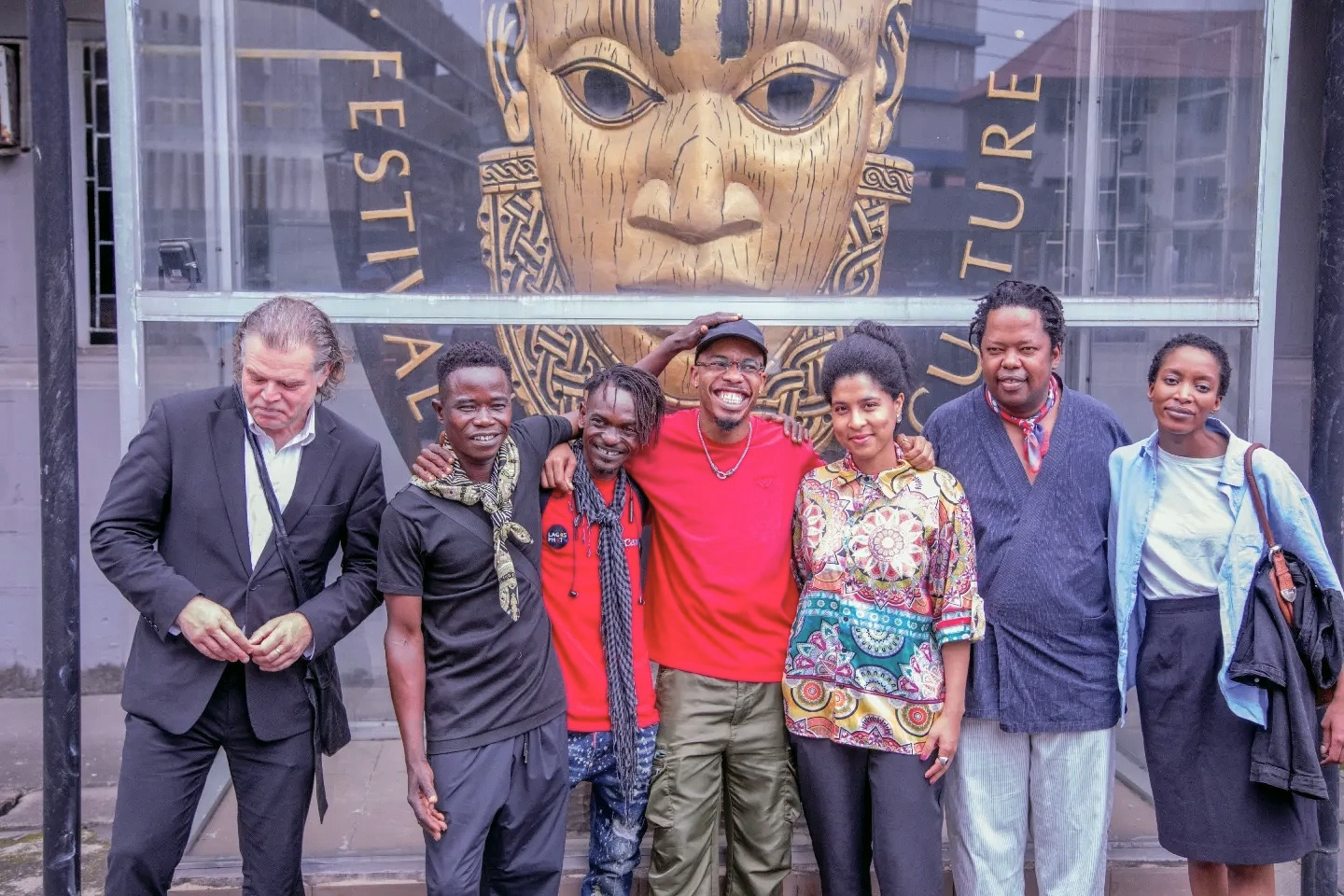
The wider research activities brought together practitioners including curator and AAF founder Azu Nwagbogu, curator and researcher Khanya Mashabela, artist and filmmaker Renzo Martens, multidisciplinary artist and sound practitioner Ntshepe Tsekere Bopape (Mo Laudi), and members of the Cercle d’Art des Travailleurs de Plantation Congolaise (CATPC).
Their different practices provide points of entry into questions of cultural memory, artistic solidarity, restitution and the relationship between cultural production and political self-determination.
Encountering the FESTAC Archives
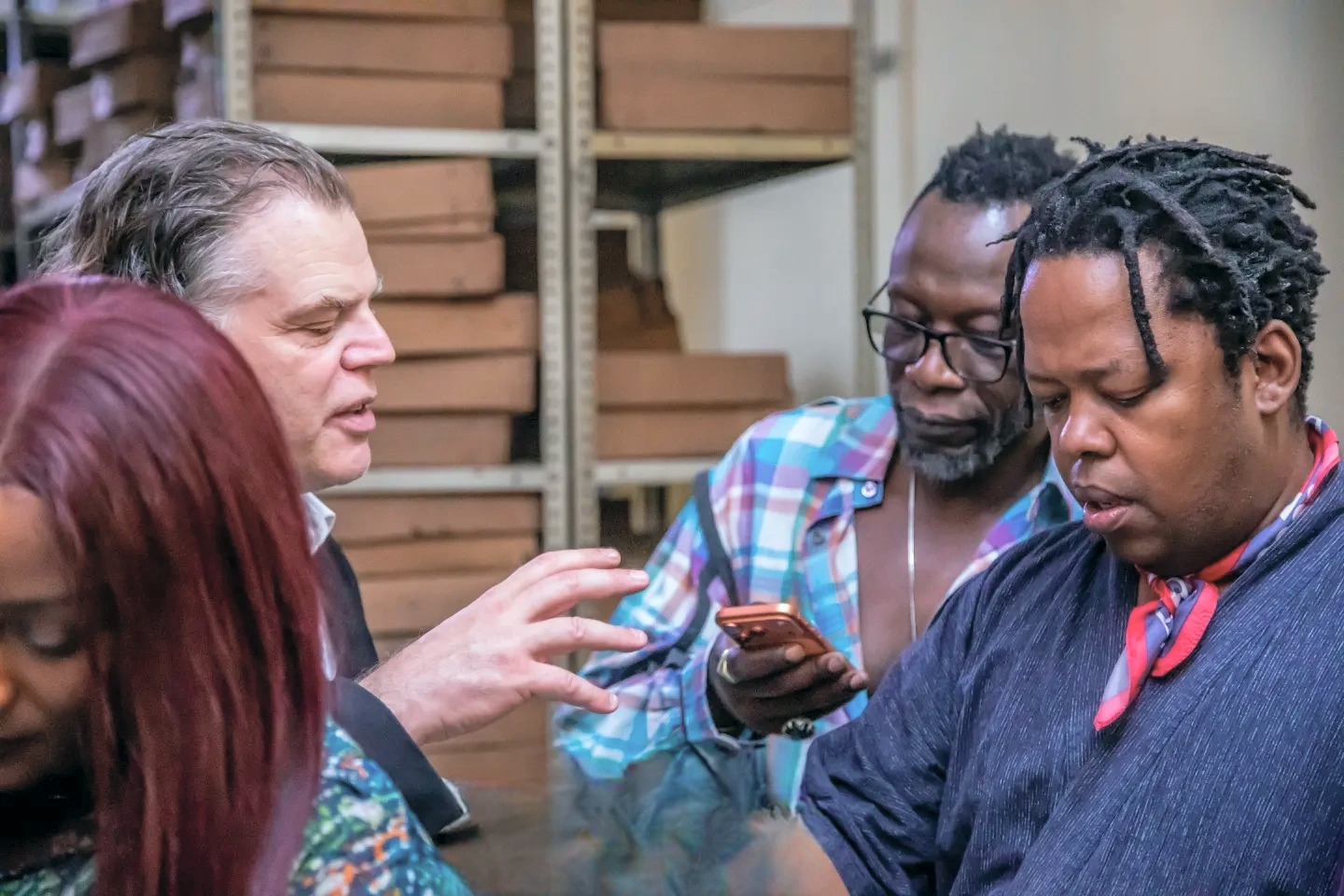
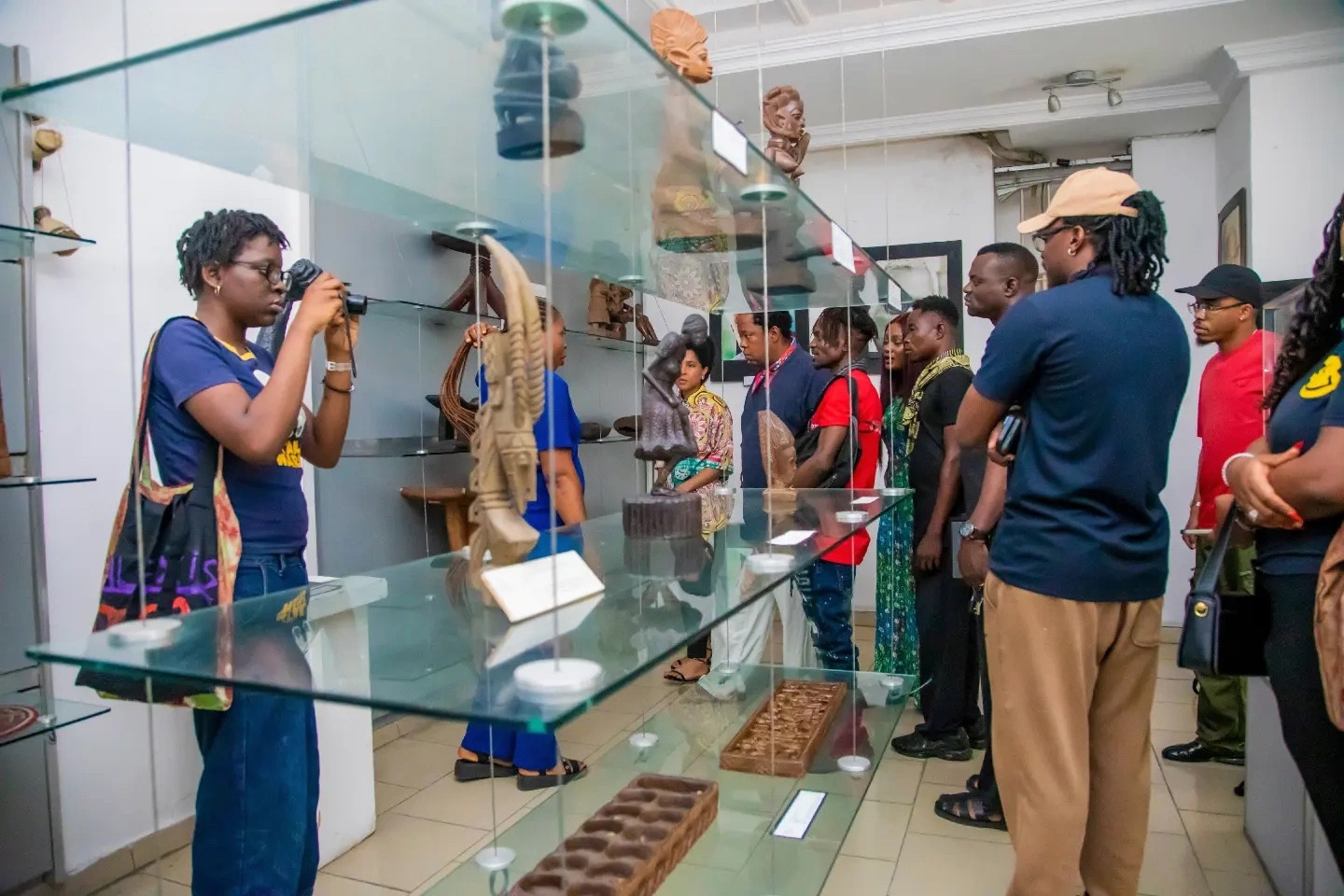
On 9 October 2026, an international delegation led by Azu Nwagbogu visited the Centre for Black and African Arts and Civilization (CBAAC) in Lagos, engaging directly with the Centre’s collections and archival holdings.
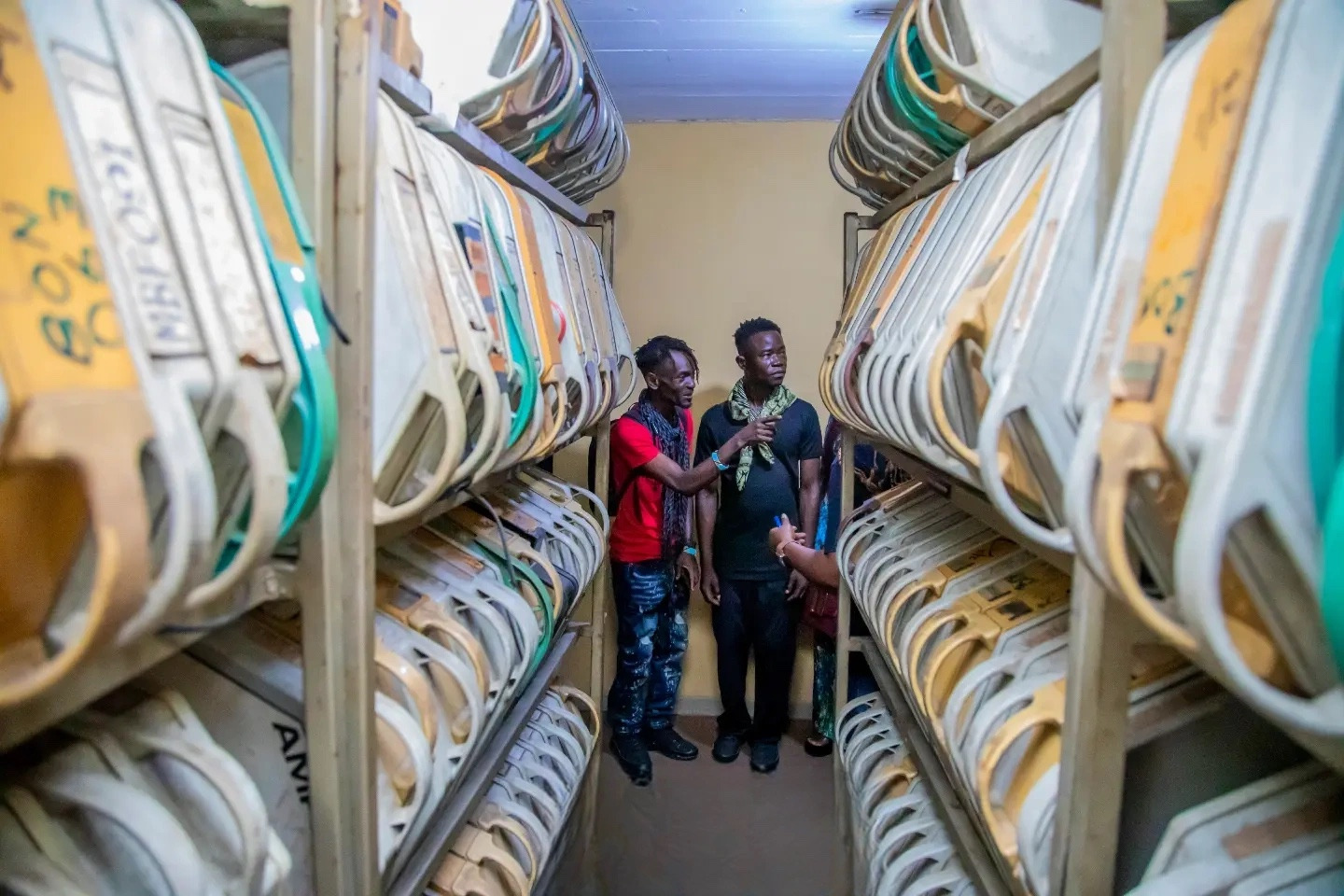
During a guided tour of the facilities, the delegation encountered historical photographs, documents, artworks and cultural objects preserved by the Centre. These materials provide important records through which the artistic practices, cultural relationships and institutional ambitions associated with FESTAC can be studied.
The visit also brought attention to CBAAC’s role in preserving the festival’s material and intellectual legacy. The preservation of such collections raises wider questions about archival accessibility, the circulation of cultural knowledge and the responsibilities of institutions entrusted with collective memory.
For contemporary artists and researchers, these archives offer opportunities to revisit historical narratives, recover overlooked relationships and develop new interpretations of Africa’s cultural histories.
Towards FESTAC at Fifty
The approaching fiftieth anniversary of FESTAC ’77 offers an occasion to reconsider the festival’s ambitions in relation to the conditions facing African artists, researchers and cultural institutions today.
Questions of cultural self-determination, international artistic exchange, institutional development and the preservation of African histories remain central to this inquiry. Revisiting FESTAC also invites reflection on the structures necessary to sustain cultural relationships across Africa and its diasporas.
Through this research, African Artists’ Foundation seeks to contribute to a deeper understanding of the festival’s historical significance and to examine how its intellectual and artistic legacies can inform contemporary cultural practice.
As 2027 approaches, the work of revisiting FESTAC ’77 continues through research, archival engagement and dialogue, opening possibilities for renewed cultural exchange and collaboration across generations and geographies.
Photographs courtesy of the Centre for Black and African Arts and Civilization (CBAAC). Photography: @kellyofjos.