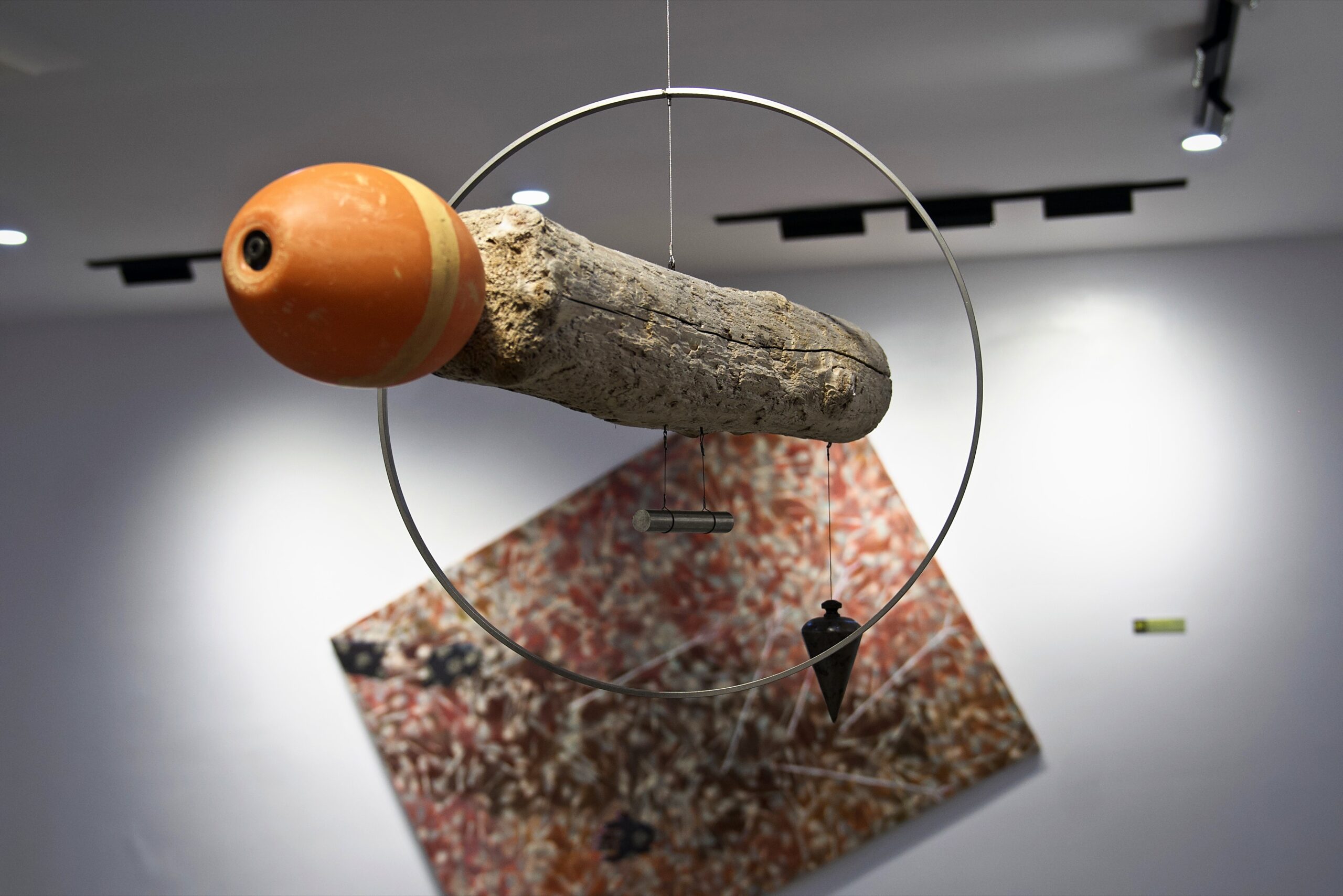
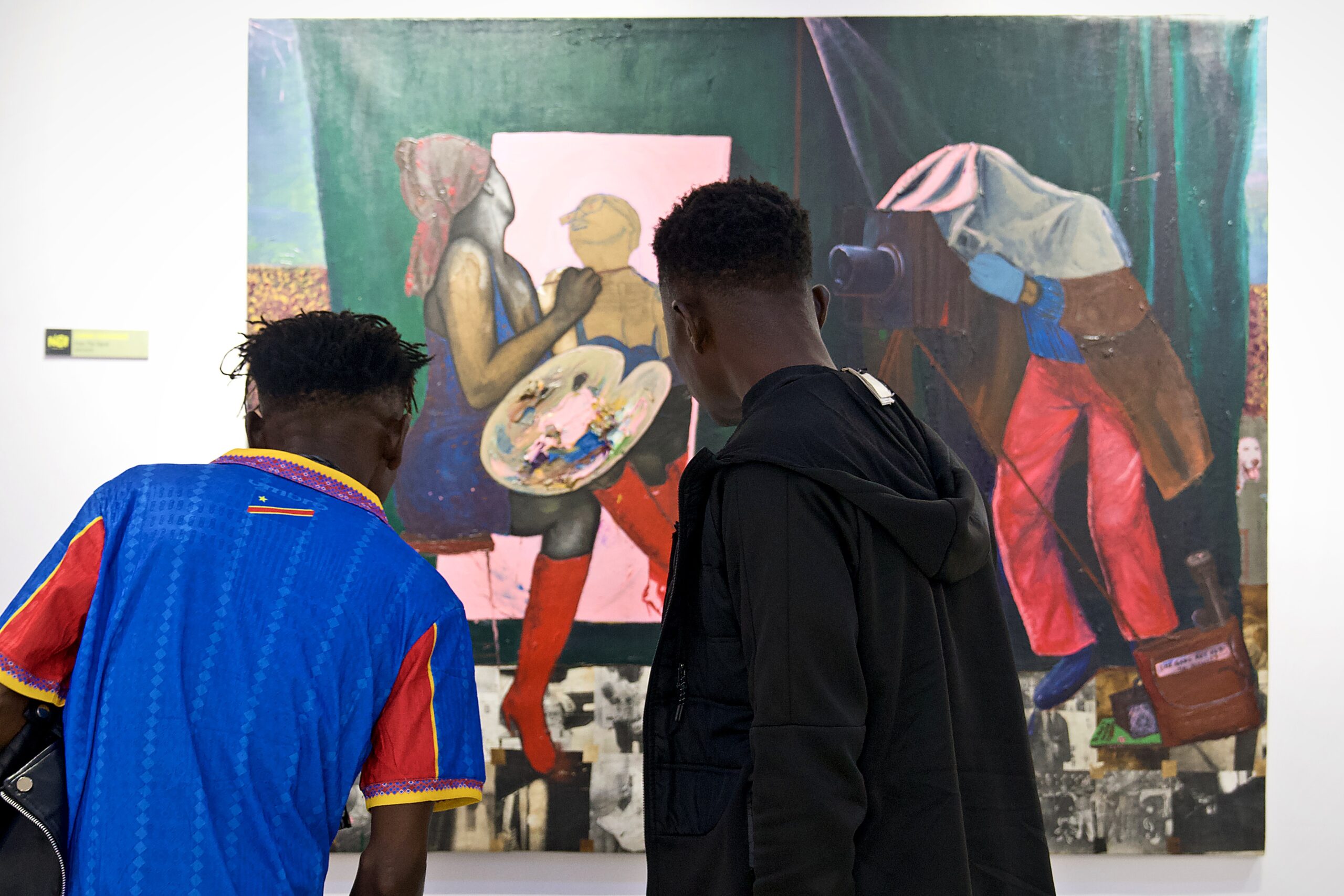
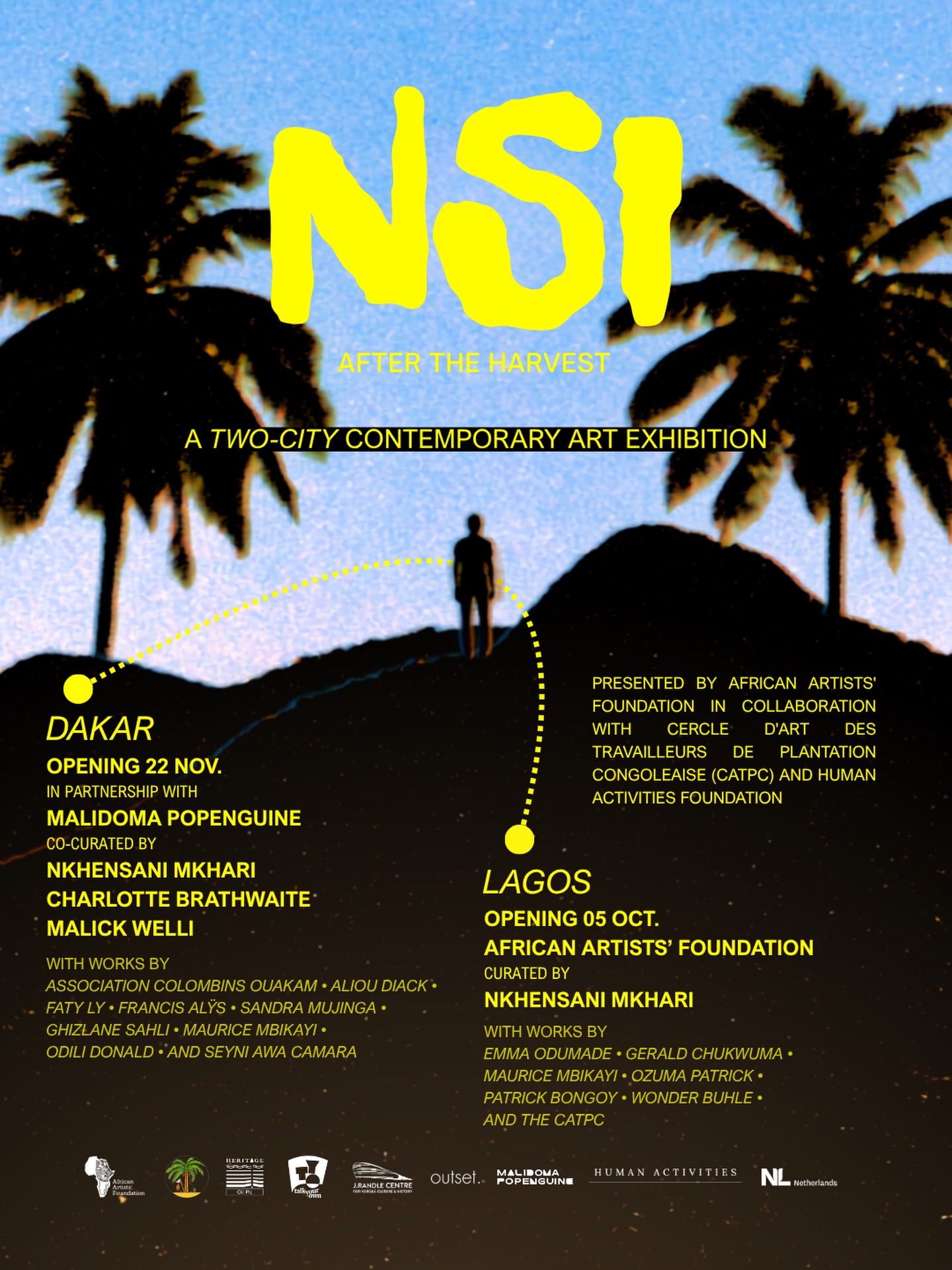
African Artists’ Foundation presents Nsi: After the Harvest, a research-led exhibition and public programme examining the enduring consequences of colonial extraction and the possibilities of restitution through contemporary artistic practice. Opening in Lagos on 5 October 2026, the exhibition brings together artists whose work engages with land, labour, ecological damage, memory and the redistribution of cultural and economic value.
Curated and led by Nkhensani Mkhari, the exhibition is developed in collaboration with the Cercle d’Art des Travailleurs de Plantation Congolaise (CATPC) and Human Activities. The Lagos presentation runs from 5 October to 22 November 2026, with a subsequent presentation in Dakar beginning on 22 November 2026.
The exhibition takes its title from Nsi, a Kikongo word encompassing land, earth, country and the realm of the ancestors. Within the exhibition, land is understood not simply as territory or an economic resource, but as a site of memory, belonging and relationships between generations. After the Harvest turns attention towards what remains following extraction: exhausted soil, displaced communities, altered landscapes and the continuing consequences of systems that have historically transformed African land and labour into commodities.
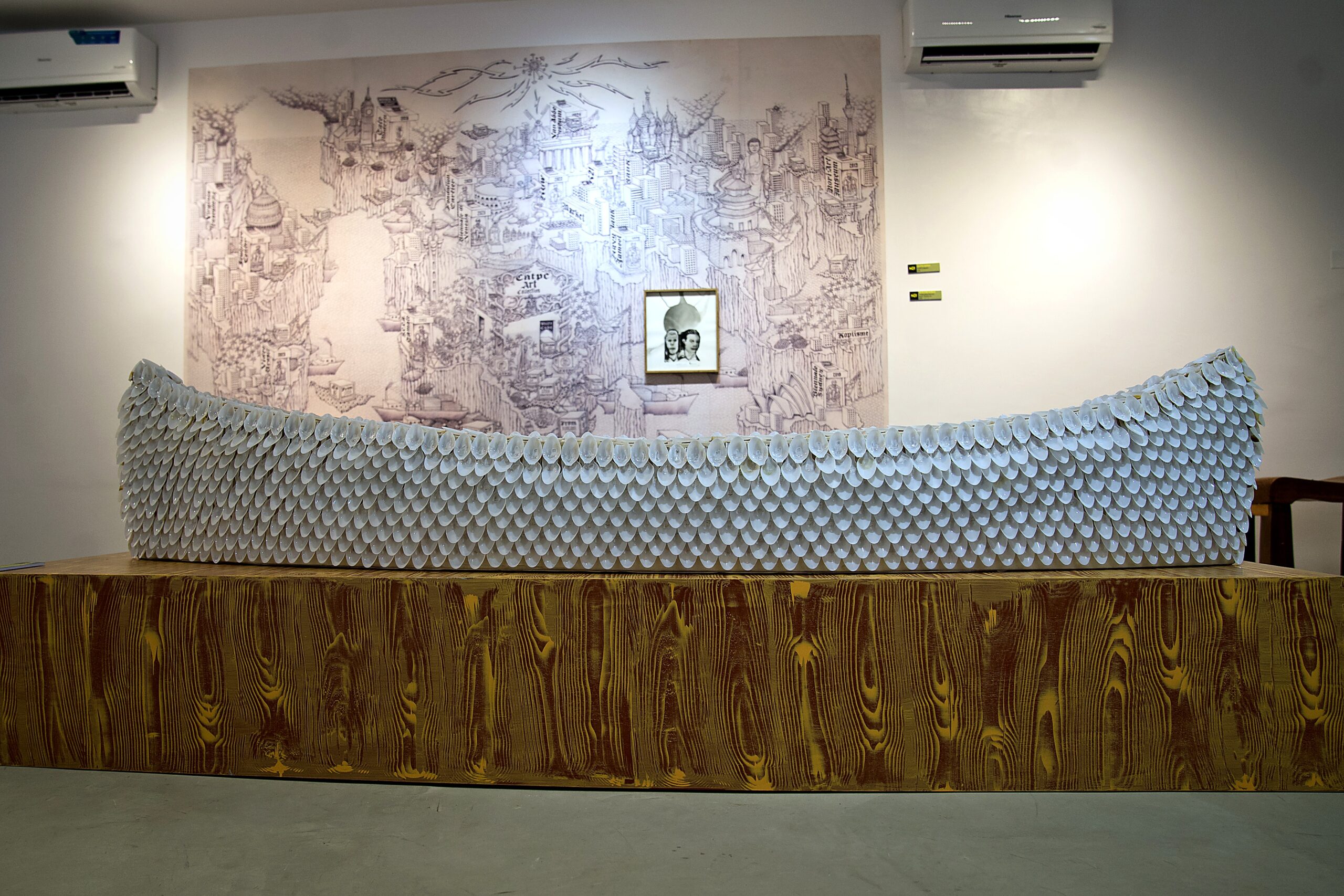
At the centre of the exhibition is the practice of CATPC, a collective of plantation workers and artists based in Lusanga, Democratic Republic of the Congo. Working on the site of a former Unilever plantation, the collective creates sculptures that circulate through the international art market, using the value generated to repurchase plantation land and support its ecological regeneration. Their practice offers a material approach to restitution, connecting artistic production directly to the recovery of land and the restoration of community life.
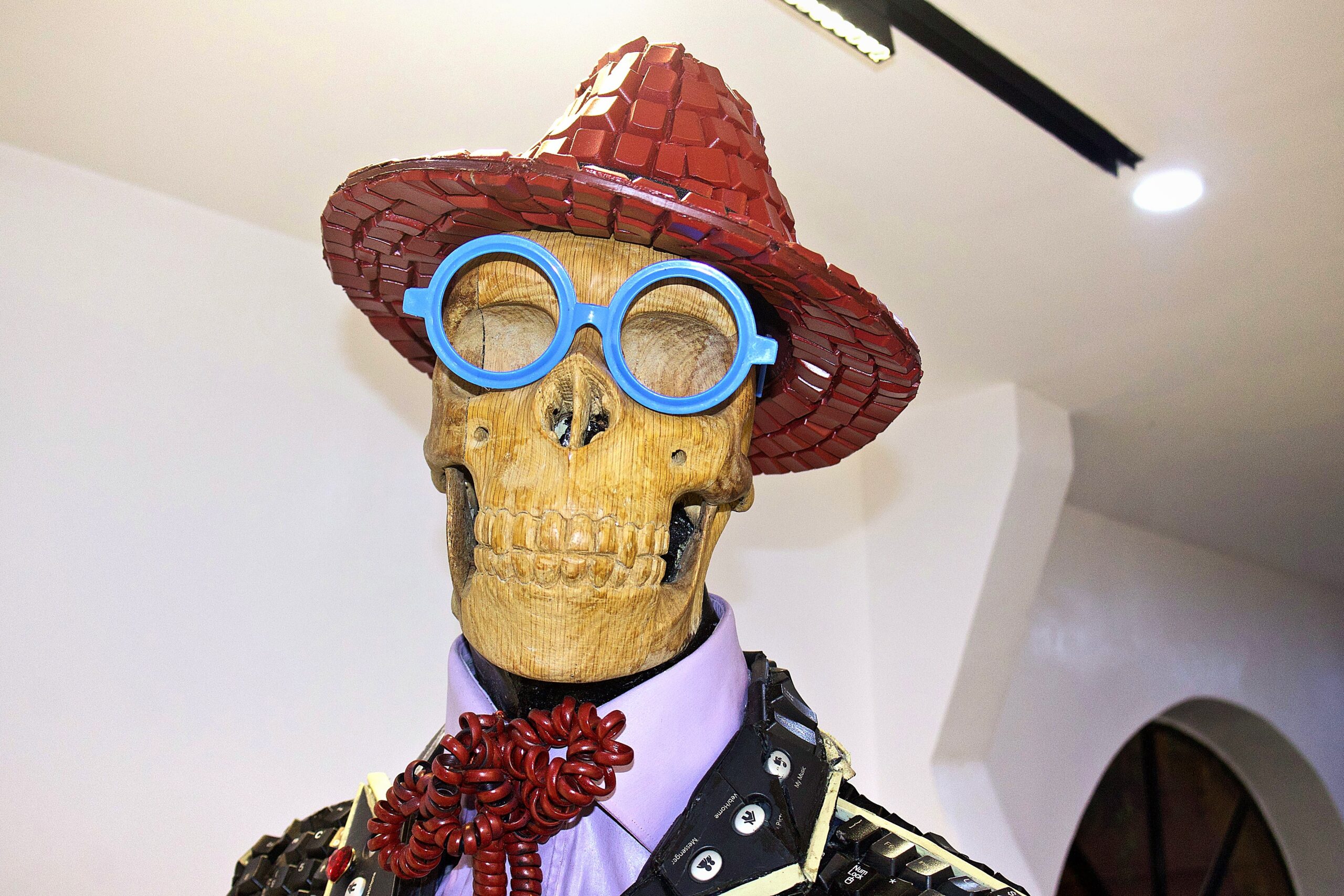
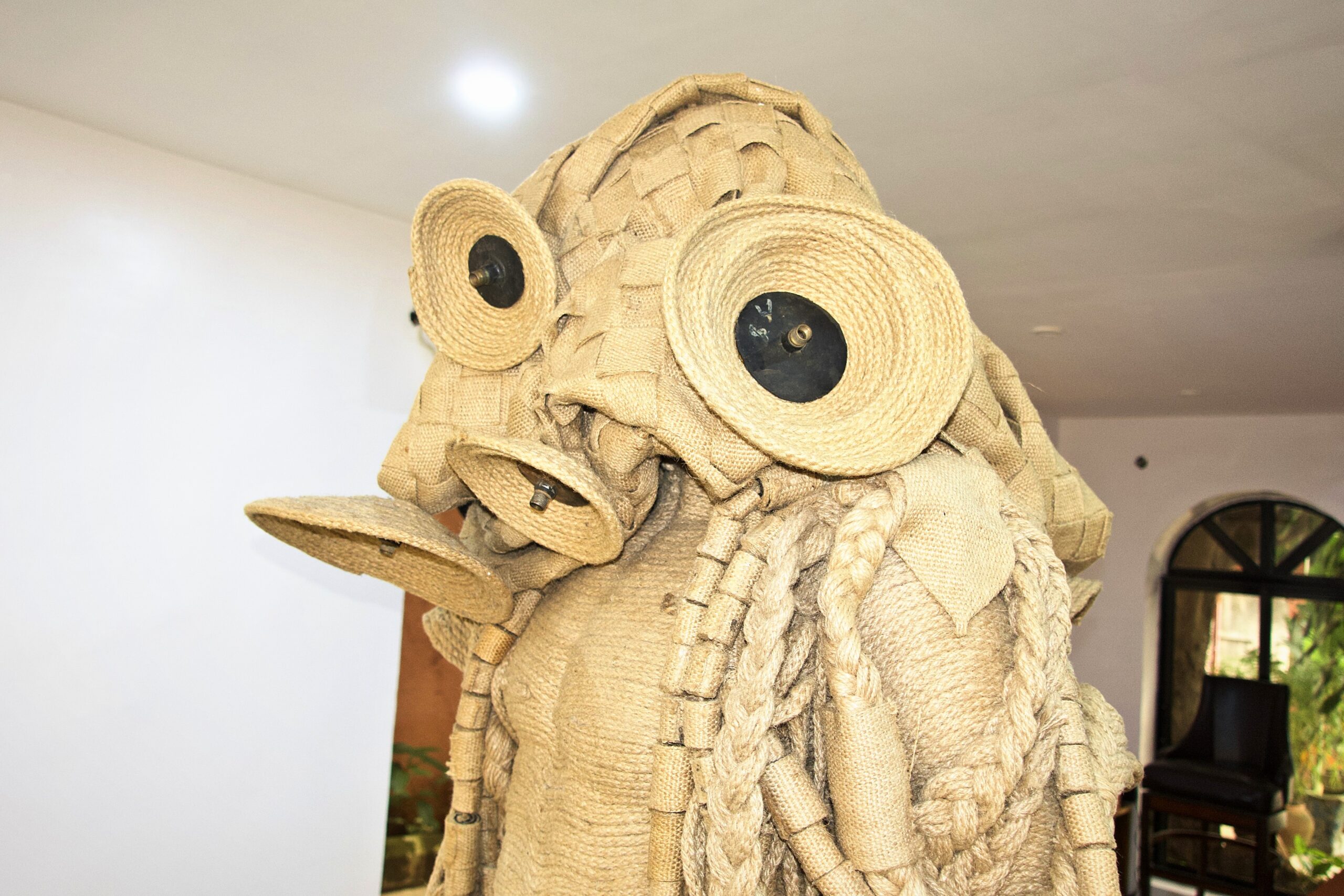
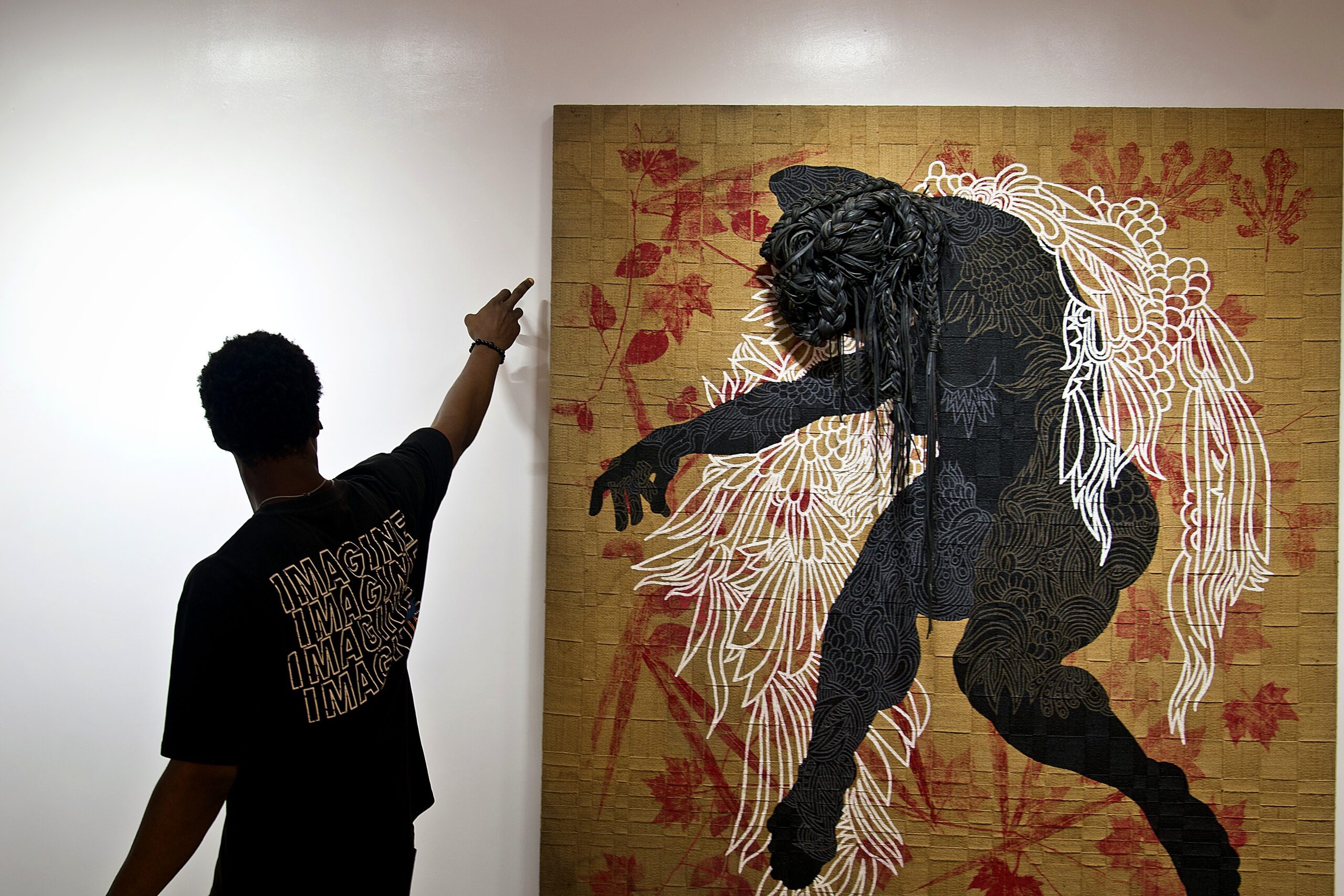
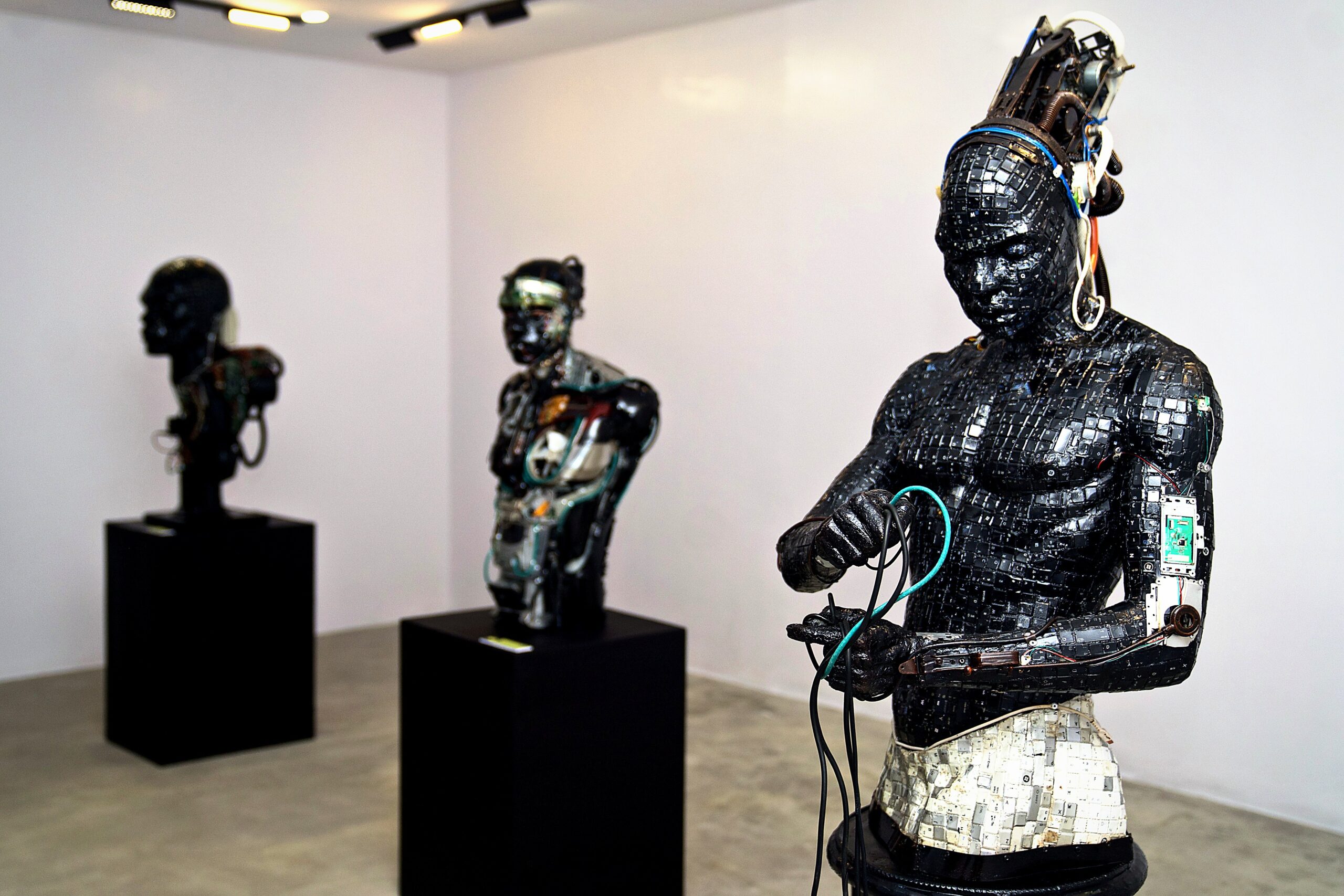
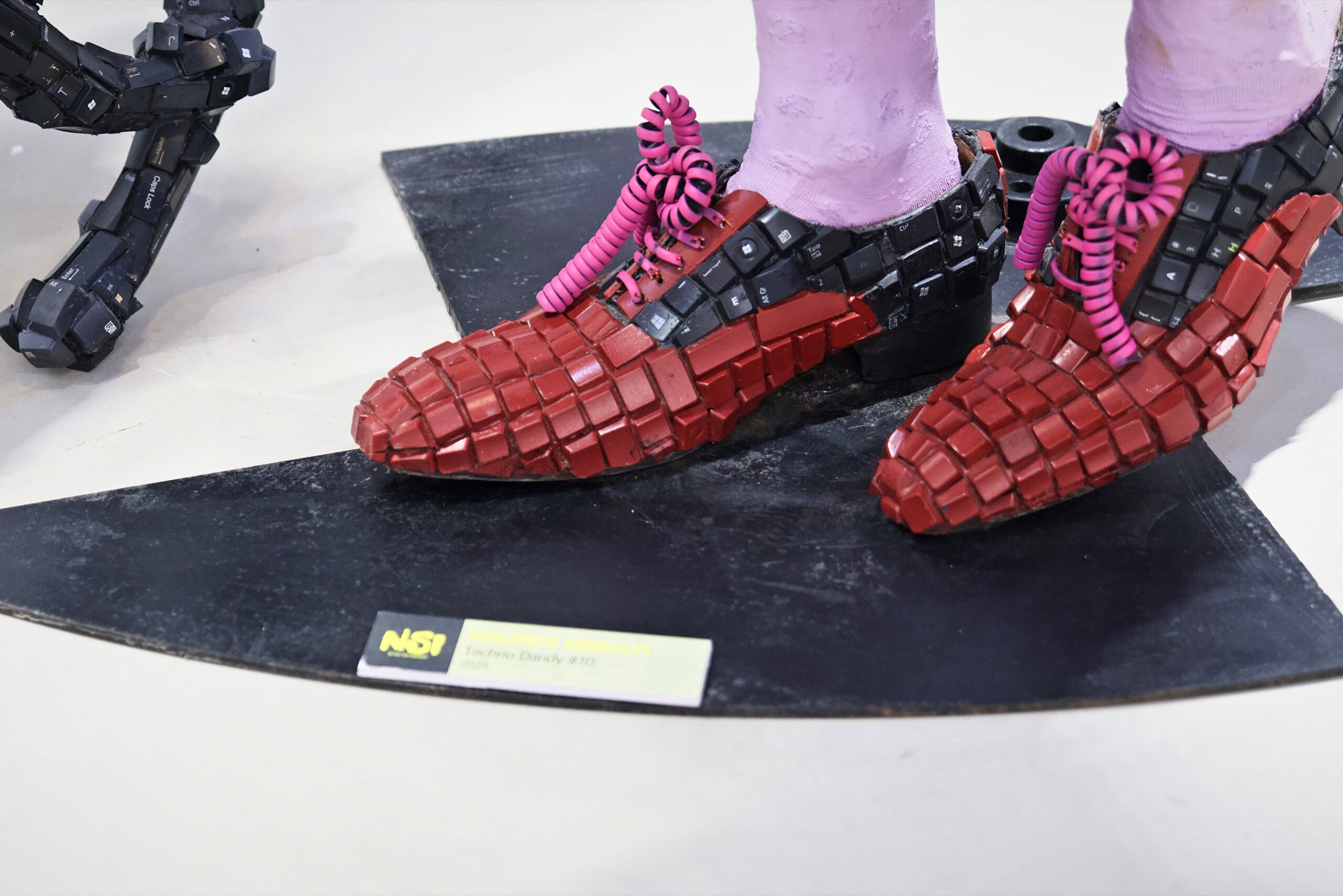
The exhibition extends these questions through the work of artists including Patrick Bongoy, Maurice Mbikayi, Ozuoma Patrick Chidiebube and Sandra Mujinga. Bongoy’s use of rubber and reclaimed materials addresses histories of violence, labour and displacement, while Mbikayi’s engagement with discarded electronic components draws attention to the relationship between technological consumption and mineral extraction. Chidiebube explores questions of land, indigenous structures and the Niger Delta, while Mujinga’s practice considers visibility, embodiment and power.
Works from the CATPC donor collection further expand the exhibition’s consideration of restitution. Through contributions by artists including Marlene Dumas, Olafur Eliasson, Luc Tuymans, Chéri Samba, Francis Alÿs and Jan Dibbets, the collection demonstrates how artistic and economic value can be redirected towards land reclamation and infrastructure in Lusanga.
The exhibition unfolds through four interconnected curatorial registers: Sediment, Signal, Residue and Repair. Sediment considers the histories of extraction embedded in landscapes, institutions and collective memory. Signal explores how artistic practices communicate and challenge established narratives. Residue addresses the waste, toxicity and lasting material consequences of extraction. Repair turns towards reclamation, restitution and the possibility of restoring relationships between land, people and cultural value.
Alongside the exhibition, AAF convened a public symposium on 8 October 2026, extending these themes into discussions of plantation histories, ecological responsibility, cultural heritage and the role of artistic practice in processes of repair. The wider programme also included a screening of Sammy Baloji’s The Tree of Authenticity and activities involving participating artists and cultural practitioners.
Through Nsi: After the Harvest, AAF brings together artistic research, exhibition-making and public dialogue to consider restitution beyond the return of cultural objects. By foregrounding practices that connect artistic value to material change, the exhibition asks how contemporary art might participate in addressing the lasting consequences of extraction, and what forms of repair remain possible.